
Hair loss in a newborn is very common and is usually temporary. Many babies lose some of the hair they were born with before a new growth pattern begins.
This guide explains why newborn hair loss happens, when it usually improves, and which scalp changes are worth a closer look.
📅 Book an Appointment
Same-day and next-day appointments available.
Quick Answer
- Newborn hair loss is common
- It is often temporary
- Hair growth patterns can change a lot in early infancy
- Call sooner if: there are scalp sores, broken skin, patchy inflammation, or other unusual findings
What Is Newborn Hair Loss?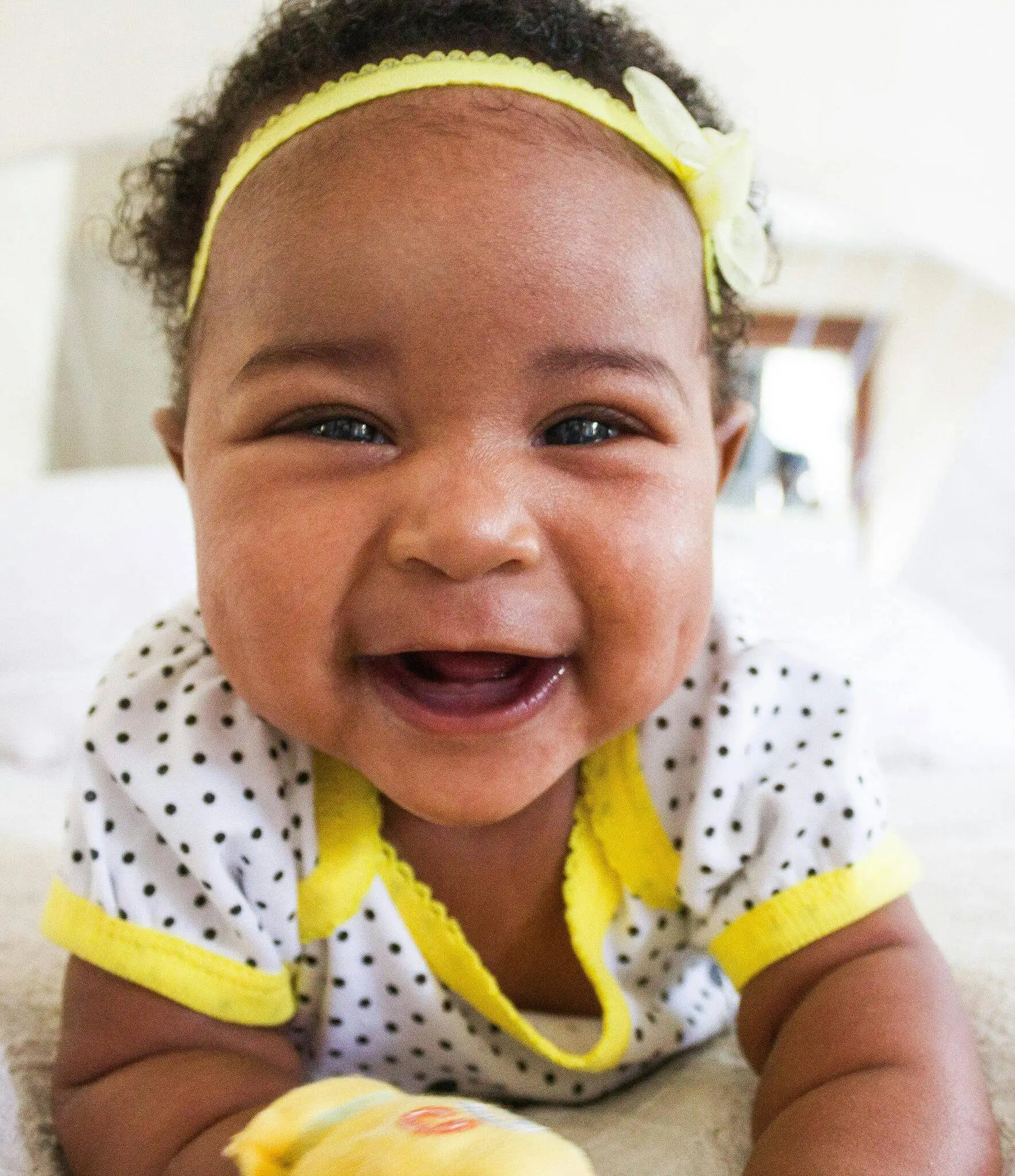
Newborn hair loss, often referred to in medical terms as telogen effluvium, occurs when your baby’s hair growth cycle temporarily shifts. While some are born with a full head of hair, others may arrive with just a few strands. Regardless of how much hair your baby is born with, it’s common for this hair to fall out in the first few months of life.Pregnancy hormones influence the growth of your baby’s hair follicles. After birth, these hormone levels drop rapidly, triggering a shift in the hair growth cycle. The hair stops growing and enters a resting phase before eventually falling out, which is when you notice your newborn baby hair fall out.New hair growth replaces fallen hair, but this process takes time. The grown hair looks different from the initial baby hair—a different color, texture, or thickness, a part of normal baby development. As you understand newborn hair loss, let’s dive into the causes and how it impacts your baby’s health.Why Does Newborn Baby Hair Fall Out?
1. Hormonal Changes After Birth
This is one of the most significant reasons for newborn baby hair fall out. While in the womb, your baby was exposed to elevated levels of maternal hormones that foster hair growth. This is why some babies are born with a full head of hair. However, after birth, these hormone levels drop rapidly.Without those extra hormones, your baby’s hair enters a resting phase in which the hair stops growing and eventually sheds. This process usually happens at 2-3 months old but can start earlier or later depending on your baby’s growth pattern. Most importantly, this hair loss is temporary. As your baby’s hormone levels regulate, the hair follicles will resume growing new hair. The newly grown hair might be different in color or texture, but this is normal and a healthy part of development.2. Friction from Sleeping Positions

3. Normal Hair Growth Cycle
Everyone experiences a hair growth cycle, and babies are no exception. Hair growth happens in three phases: a growth phase (anagen), a resting phase (telogen), and a shedding phase. The cycle is faster in newborns, and many babies’ hair enters the resting phase shortly after birth. During this resting phase, hair doesn’t grow and is likely to fall out. This happens all over the scalp or in patches. Once the resting phase is complete, the hair follicles switch back to the growth phase, and new hair emerges.Note that each baby’s hair growth cycle is unique. Some babies experience rapid hair loss within the first two months, while others lose their hair gradually. In either case, this cycle of shedding and regrowth is normal. While it’s unsettling to see your newborn baby hair fall out or thin, rest assured that new hair will soon grow.4. Cradle Cap (Seborrheic Dermatitis)
Also known as seborrheic dermatitis, is a common skin condition that contributes to newborn baby hair fall out. It presents as flaky, yellow, or white scales on the baby’s scalp. These scales are oily or greasy and cause the hair in the affected areas to thin or fall out.The cause is an overproduction of oil in the baby’s skin, which traps dead skin cells on the scalp. Although it looks uncomfortable, the cradle cap isn’t bothersome and not a cause for concern. However, in some cases, it leads to temporary hair loss in the areas where the scales are thickest.To manage, wash your baby’s hair with baby shampoo and use a soft-bristle brush to loosen the flakes. Avoid using harsh chemicals or scrubbing too hard, as this irritates your baby’s delicate scalp. Cradle cap typically resolves within a few weeks or months.5. Nutritional Deficiencies

- Ultimate Guide: 6 Steps to Create a Newborn Feeding Schedule for Happy, Healthy Babies
- Exploring Newborn Feeding for Proper Nourishment: Schedules and Tips for New Parents
How to Care for Your Baby’s Hair and Scalp
While newborn hair loss is usually not a cause for concern, there are several steps to care for your baby’s scalp and promote healthy hair growth during this phase:- Keep the Scalp Clean and Moisturized: Wash your baby’s scalp regularly with baby shampoo to keep it clean and oil-free, thus preventing cradle cap. You don’t need to wash your baby’s hair daily; a couple of times a week is sufficient. After washing, thoroughly rinse out any shampoo to prevent product buildup. If your baby has a dry or flaky scalp, gently massage with a small amount of baby or coconut oil. This moisturizes the skin and loosens any flakes without being too harsh.
- Brush Gently: After washing, use a soft-bristle baby brush to detangle the hair and stimulate the scalp. Brushing your baby’s hair removes dead skin cells and encourages blood circulation for healthy hair growth.

- Avoid Overhandling: While it’s tempting to touch or style your baby’s hair frequently, minimize excessive handling of their scalp. Overhandling leads to more friction and, consequently, more hair loss. Be gentle when washing, brushing, and drying your baby’s hair.
- Soft Bedding and Supervised Tummy Time: Use soft, breathable bedding in your baby’s crib or bassinet to reduce friction-related hair loss. Also, incorporate supervised tummy time during the day to help your baby spend less time on their back, reducing pressure on the back of the head. Tummy time strengthens your baby’s neck and shoulder muscles and prevents flat spots on the back of the head, which are associated with hair loss.
- Monitor Your Baby’s Nutrition: Ensure your baby receives adequate nutrition through breast milk or formula. Consult your pediatrician for guidance on nutritional intake. A well-nourished baby is likely to grow healthy, strong hair.
When Should You Be Concerned?
In most cases, newborn hair loss is a normal part of development and not something to be concerned about. However, there are a few instances when it’s necessary to consult a healthcare provider. You may seek advice from your pediatrician, who will evaluate the condition and recommend appropriate steps.- If there are rashes, sores, or scabs on the scalp accompanying the hair loss
- If the hair loss seems excessive or doesn’t start growing back by 6 months
- If you notice your baby losing hair in patches, which may indicate conditions like alopecia areata, an autoimmune disorder
Take Care of Your Baby’s Scalp for Healthy Hair Growth
While it may be disconcerting to see your newborn baby hair fall out, it’s usually a normal process. Whether due to hormonal changes, friction, cradle cap, or the natural hair growth cycle, newborn hair loss is temporary, and the hair will grow back in time.By understanding the common causes of newborn hair loss and taking steps to care for their scalp, you ensure their hair grows back healthy and strong. Consult your pediatrician for concerns about your baby’s hair loss. For more insights and tips on caring for your newborn, visit Omegapediatrics.com for expert guidance tailored to the needs of your growing baby.Related family resource: For optional newborn-care, sleep, and family routine resources, visit our baby and newborn resources in the Omega Parent Marketplace.


